https://ahmedabad-dentist.com/wp-content/uploads/2025/06/WhatsApp-Image-2025-06-06-at-7.20.59-PM-1200x640.jpeg

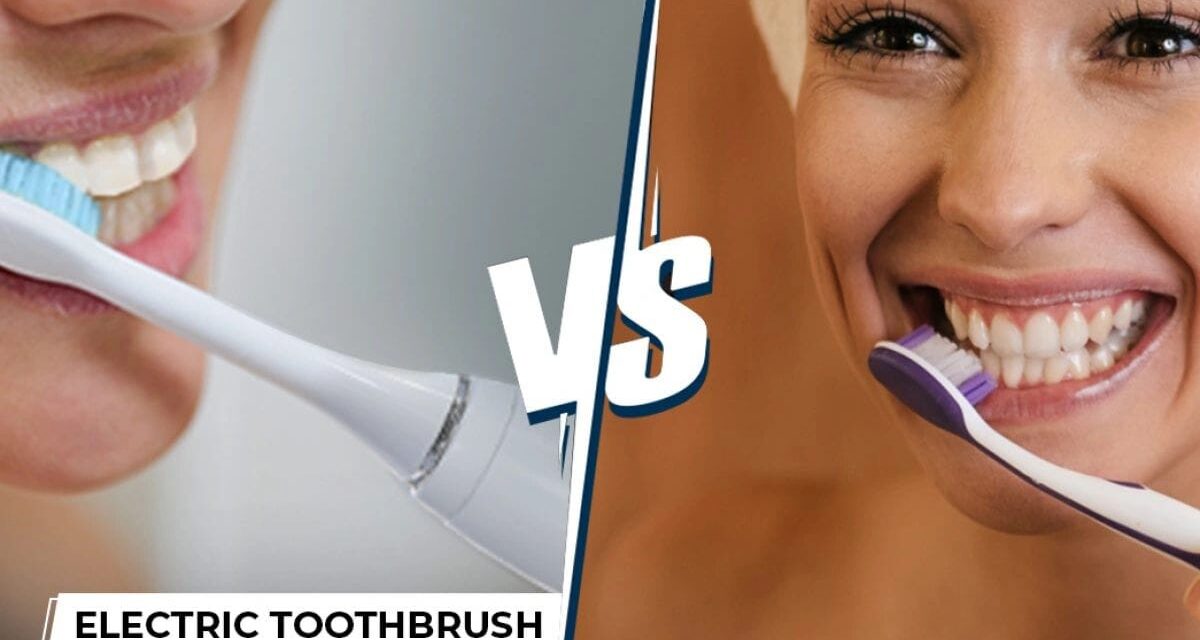
We all know how important it is to brush our teeth every day—but have you ever wondered whether it’s better to use an electric toothbrush or a regular manual one?

Both electric and manual toothbrushes can clean your teeth effectively, but they have different features, advantages, and costs. Let’s explore the differences and help you decide which one might be the better fit for your dental routine.

Manual Toothbrush: The Traditional Choice

The manual toothbrush has been around for over a century, and for good reason—it works.

Advantages of Manual Toothbrushes:

  • Affordable: You can find a decent manual toothbrush almost anywhere, and they usually cost just a few dollars.
  • Portable and Simple: No batteries, no chargers. Perfect for travel or emergencies.
  • Variety: Available in different bristle strengths, head sizes, and handle designs.

Downsides:

  • Technique Matters: How well it works depends on your brushing technique. It’s easy to miss spots or apply too much pressure.
  • No Timer: Without a built-in timer, it’s up to you to make sure you’re brushing for the recommended 2 minutes.

Electric Toothbrush: The Smart Option

Electric toothbrushes have become increasingly popular, and many dentists recommend them for their extra cleaning power.

Advantages of Electric Toothbrushes:

  • More Effective Cleaning: Many studies show electric brushes remove more plaque than manual ones, especially oscillating-rotating models.
  • Built-in Timers and Modes: Most come with timers and pressure sensors to improve your brushing technique.
  • Great for Kids and Those With Limited Mobility: Ideal for people who struggle with manual brushing or lack coordination.

Downsides:

  • More Expensive: Costs can range from $20 to over $200, plus replacement brush heads.
  • Needs Power: Requires charging or battery replacements.
  • Not As Travel-Friendly: Bulkier and requires extra space in your bag.

What Do Dentists Say?

Most dental professionals agree on this: It’s not just the brush—it’s how you use it.

You can have great oral hygiene with either type of toothbrush if you brush twice a day for two minutes, use fluoride toothpaste, and floss daily.

However, for people who:

  • Tend to brush too hard
  • Have trouble reaching all areas of their mouth
  • Need extra help maintaining good habits
    → An electric toothbrush may offer better results.

 Final Verdict: Which One Is Better?
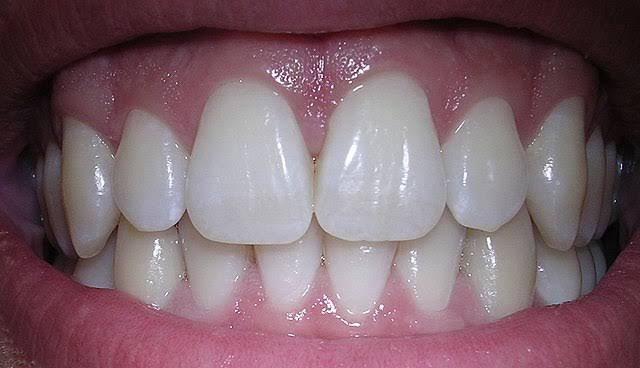


If your teeth look clean like this with your regular brushing

Then you can continue using your manual tooth brush optimally
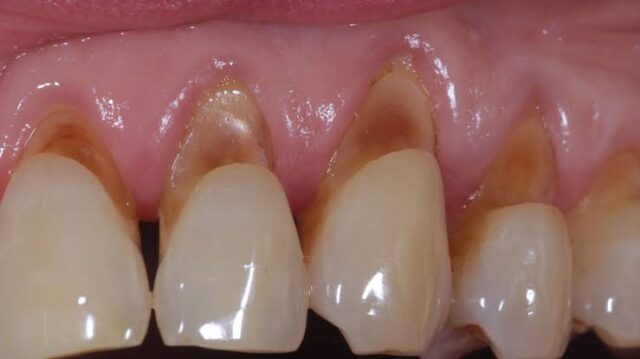
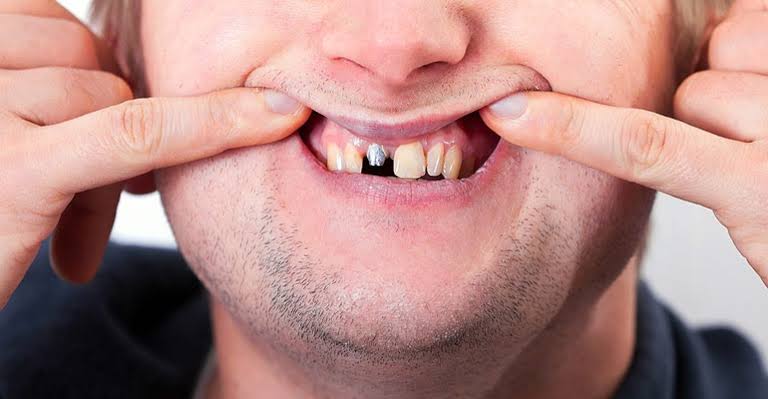
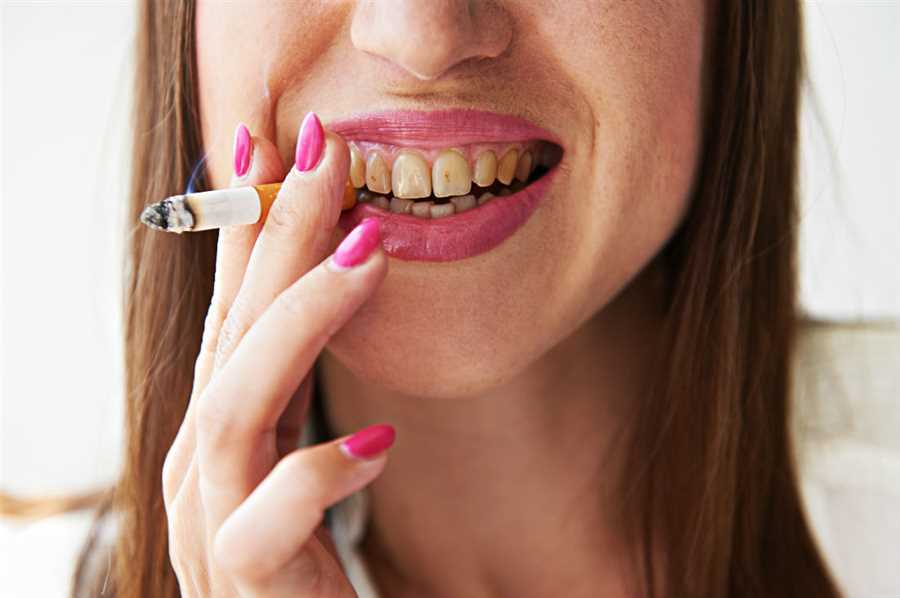
If you are suffering from tooth wear due to aggressive brushing electric tooth brush should be your  choice of tool

At the end of the day, the best toothbrush is the one you’ll actually use—correctly and consistently.

Pro Tip: No matter which type you choose, replace your toothbrush (or brush head) every 3–4 months or sooner if the bristles are frayed.
 

download

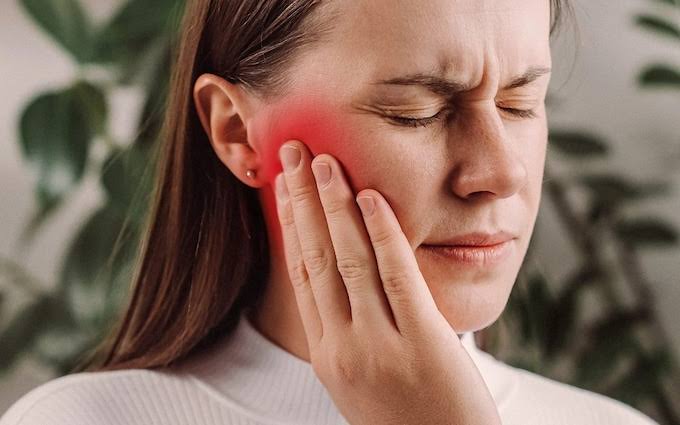
Jaw pain can be a frustrating and sometimes debilitating issue. While many people assume it’s always a dental problem, the reality is that muscle tension and dysfunction in the surrounding areas often play a key role. Understanding the muscular connection to jaw pain can help you find lasting relief and avoid unnecessary treatments.
In this blog, we’ll guide you through how to determine if your jaw pain is muscular in nature — and what you can do about it.

Common Causes of Jaw Pain
Before diving into muscle-related causes, let’s briefly outline common jaw pain sources:

• Tooth pain
• Pain originating from surrounding structures of tooth ( tongue , cheek , salivary glands etc)
• Temporomandibular Joint Disorder (TMJ/TMD)
• Sinus infections
• Trauma or injury
However, muscular dysfunction is often overlooked — and it can be a primary or secondary contributor to jaw pain.

The Role of Surrounding Muscles in Jaw Function

Several muscles are involved in chewing, talking, and jaw movement. These include:
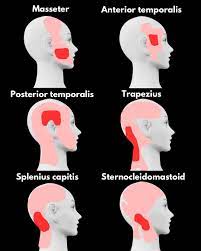
• Masseter – the main jaw-closing muscle
• Temporalis – helps raise and retract the jaw
• Medial and Lateral Pterygoid – control side-to-side movements
• Neck muscles – particularly the sternocleidomastoid and upper trapezius, which can refer pain upward
When these muscles become tense, strained, or overworked, they can mimic or worsen jaw pain.

Signs Your Jaw Pain May Be Muscle-Related
Here are key indicators that your jaw pain may be due to surrounding muscles:
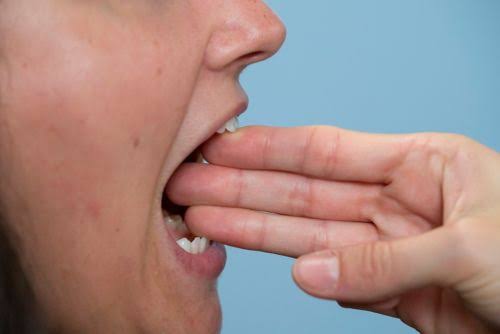
1. Pain That Feels Like Tightness or Soreness
2. Pain That Radiates
3. Clicking or Popping Without Locking
4. Morning Jaw Soreness
5. Relief with Massage or Heat
6. Stress-Related Flare-Ups

How to Confirm It’s Muscular
While self-observation is useful, a professional diagnosis can help. Look for:
• Myofascial trigger point exams by a physiotherapist or dentist trained in orofacial pain
• Palpation tests that reproduce or reduce the pain
• Posture assessments, especially for head-forward posture
• Muscle relaxation techniques that offer relief (e.g., physical therapy, dry needling, or stretching)

What You Can Do About It
If your jaw pain is muscle-related, treatment should focus on reducing tension and restoring balance in the muscles

METHODS
1. Intramuscular injections
These injections temporarily paralyze hyperactive muscles, offering rapid symptom relief
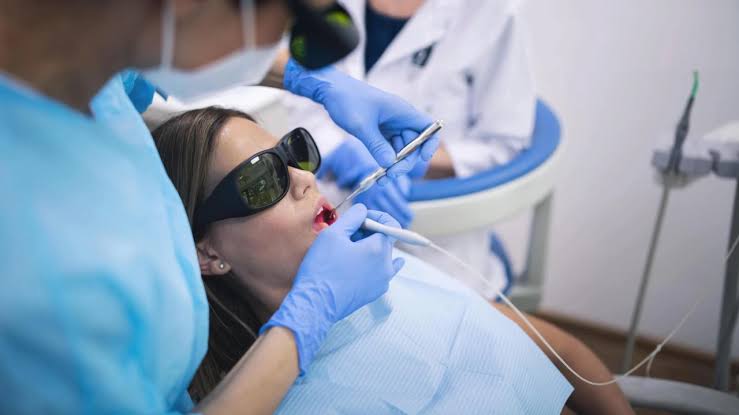
2. Low intensity laser therapy LIIT
Uses photo biomodulation and reduce inflammation and promote muscle relaxation . beneficial for patients with acute or chronic pain
3. Electromyography
EMG quantifies muscle activity through electrical signal analysis . displays muscle activity levels .
4. Physiotherapy as a deprogramming method
Emloys targeted excercises and manual techniques to restrain masticatory muscles and restore optimal jaw function.
5. Muscle programming and deprogramming
Muscle programming refers to the process by which muscles adapt to new functional demands through neuromuscular changes. Muscles      deprogramming refers to the process of relaxing or resetting the muscles involved in the TMJ and the masticatory system . It is aimed at
Relaxing muscle activity to allow for more normal function and assessment of dental relationships . For eg. Anterior deprogrammer , kois deprogrammer.


CONCLUSION

Jaw pain isn’t always a tooth or joint issue — your muscles might be the real culprits. If your symptoms align with the signs above, consider consulting a physiotherapist or TMJ specialist who understands muscle-related jaw pain.
By addressing the root muscular causes, you’ll be well on your way to lasting relief — without unnecessary dental work.

https://ahmedabad-dentist.com/wp-content/uploads/2025/05/WhatsApp-Image-2025-05-23-at-5.38.59-PM.jpeg

If the word “laser” makes you think of sci-fi movies, it’s time to think again—lasers are transforming dental care in real, remarkable ways. From making procedures more comfortable to improving healing time, laser technology has revolutionized modern dentistry. Whether you’re anxious about dental visits or simply curious about new options, here’s why laser dentistry might be a reason to smile.

What Is Laser Dentistry?

Laser dentistry uses focused light beams (lasers) to perform a variety of dental procedures. These lasers can target soft tissues like gums or hard tissues like teeth, depending on the procedure. Unlike traditional tools like drills or scalpels, lasers offer precision, less discomfort, and often, faster healing.

Top Benefits of Laser Dentistry

1. Minimally Invasive & Painless
2. Faster Healing & Less Bleeding
3. Reduced Risk of Infection
4. More Precision, Less Damage
5. Improved Patient Experience

Common Dental Procedures Using Lasers

Gum reshaping and contouring
Lasers are widely used in gum reshaping and contouring to safely and precisely remove excess gum tissue and sculpt the gum line. This minimally invasive technique enhances smile aesthetics, treats “gummy” smiles, and improves symmetry. Laser treatment causes less bleeding, reduces discomfort, shortens healing time, and minimizes the risk of infection.

Treatment for gum disease

Laser treatment for gum disease offers precise, minimally invasive therapy with reduced bleeding, pain, and swelling. It promotes faster healing, preserves healthy tissue, and lowers infection risk. Lasers effectively target bacteria and diseased tissue, improving outcomes and patient comfort. This approach enhances periodontal care, especially in sensitive or advanced cases.


Cavity detection and tooth preparation
Lasers assist in cavity detection by identifying early signs of tooth decay through fluorescence or light reflection, often revealing problems invisible to the naked eye or X-rays. In tooth preparation, lasers can remove decayed tissue with high precision, preserving more healthy tooth structure, reducing the need for anesthesia, and minimizing discomfort.

• Teeth whitening
Lasers are used in teeth whitening to accelerate the bleaching process and enhance results. A whitening gel is applied to the teeth, and a laser activates the gel, allowing it to penetrate the enamel more effectively. This method offers quicker, more noticeable results compared to traditional whitening, with minimal sensitivity.

• Biopsies or lesion removal
Lasers are used in dental biopsies and lesion removal to precisely excise abnormal tissue with minimal damage to surrounding areas. The laser’s high-energy light seals blood vessels as it cuts, reducing bleeding, swelling, and discomfort. It also sterilizes the area, lowering infection risk and promoting faster, cleaner healing.

• Frenectomy (for tongue-tie or lip-tie)

Laser-assisted frenectomy has become increasingly popular in dental and medical practices due to its numerous benefits over traditional scalpel-based techniques. Laser assisted surgery are minimally invasive , reduced bleeding , less pain and discomfort , faster healing and recovery ,  and lower risk of infection . 

MYTHS VS. FACTS

#1Myth: Laser dentistry is painful.
Fact: Laser procedures are typically less painful than traditional methods. Many treatments require little or no anesthesia, and patients often report less post-operative discomfort.

#2Myth: Lasers can only be used for teeth whitening
Fact: While lasers are used in whitening, they also play a role in many other treatments—such as cavity removal, gum reshaping, treating gum disease, biopsies, and lesion removal.

#3Myth: Lasers can damage teeth or gums.
Fact: Dental lasers are precisely calibrated for safety and accuracy. When used by trained professionals, they target only the intended tissue, minimizing damage to surrounding areas.

#4Myth: Laser dentistry is experimental and not proven.
Fact: Laser technology has been used in dentistry for decades and is backed by scientific research and clinical success. It’s approved by dental associations and regulatory bodies worldwide.

 #5Myth: Laser treatments are more expensive than traditional ones.
Fact: While some laser procedures may cost slightly more due to advanced technology, the benefits—like quicker healing and fewer follow-up visits—can make them more cost-effective in the long run.

CONCLUSION

Lasers are effectively used in the treatment of gum disease to remove infected tissue, kill bacteria, and promote healing without harming healthy gums. This minimally invasive approach reduces bleeding, swelling, and discomfort compared to traditional methods. It also supports tissue regeneration and helps preserve the teeth and supporting bone structure.
Lasers in dentistry are more than a high-tech trend—they’re a game-changing tool that brings comfort, precision, and faster healing to the dental chair. As technology continues to evolve, dental visits are becoming less invasive and more patient-friendly. The future of dentistry is bright—and it’s lit by lasers.

https://ahmedabad-dentist.com/wp-content/uploads/2025/05/WhatsApp-Image-2025-05-15-at-7.04.48-PM.jpeg

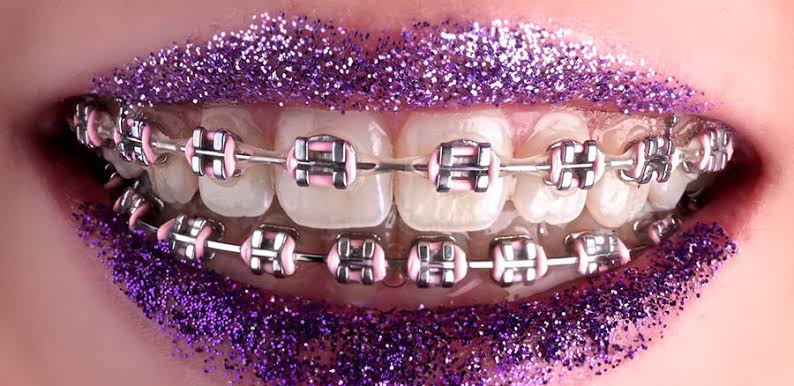
When it comes to orthodontic treatment — whether it’s traditional metal braces or modern clear aligners — timing can make a big difference. But the question many parents and even adults ask is: What’s the right age to start?
The short answer? There’s no single “perfect” age. Orthodontic care can benefit children, teens, and adults alike — it just depends on the individual’s dental development and the type of correction needed.

Let’s break it down by age group and explore the best timing for braces or aligners
1. Early Childhood (Ages 6–9): Laying the Foundation
While full braces or aligners usually aren’t applied at this age, early orthodontic evaluations are highly recommended. The American Association of Orthodontists advises scheduling the first visit around age 7.

Why so early?
• The first adult molars are in place, allowing orthodontists to check bite and jaw alignment.
• Early detection can catch developing problems like crossbites, underbites, and severe crowding.
• Some children may benefit from early (Phase 1) treatment to guide jaw growth or make room for permanent teeth.
This phase might involve expanders, partial braces, or other appliances — but it sets the stage for smoother treatment later on.

2. Preteens & Teens (Ages 10–16): The Ideal Time for Full Treatment
This is the most common age range for orthodontic treatment. By this time:
• Most (if not all) permanent teeth have erupted.
• Jawbones are still developing, making tooth movement more efficient.
• Kids are mature enough to manage oral hygiene and treatment instructions.

Both braces and clear aligners (like Invisalign® Teen) are effective during this stage, and orthodontists can recommend the best option based on the patient’s dental needs, lifestyle, and preferences.
Why this age is ideal:
• Treatment time is often shorter due to active growth.
• Issues like crowding, gaps, or bite misalignment can be corrected more easily.
• Teens tend to be motivated by aesthetic improvements and social confidence.

3. Adults (17+): It’s Never Too Late
Orthodontic treatment isn’t just for kids anymore. In fact, nearly 25% of orthodontic patients today are adults.
Adults may seek treatment for:
• Cosmetic reasons (straightening teeth, closing gaps)
• Correcting bite issues that affect speech, chewing, or jaw health
• Relapse from childhood treatment (teeth shifting back over time)
Braces (including low-visibility ceramic options) and clear aligners are both effective for adults. While treatment might take slightly longer in fully developed jaws, modern techniques can achieve excellent results.

Braces vs. Aligners: Does Age Matter?
Both braces and aligners are effective tools — but they’re not always interchangeable.

Factor Braces Aligners
Suitable for All ages Teens & adults (some kids if highly responsible)
Best for Complex corrections Mild to moderate cases
Visibility Visible (metal or ceramic) Nearly invisible
Maintenance Fixed, easier for younger patients Removable, requires discipline
Comfort May cause soreness from brackets Smooth and irritation-free


In general, younger children are better suited for braces due to their durability and minimal need for responsibility. Teens and adults, on the other hand, often prefer clear aligners for aesthetic and lifestyle reasons.

So, What’s the Right Age for You or Your Child?

There’s no one-size-fits-all answer, but here’s a general guide:
• Ages 7–9: Early screening, possible interceptive treatment
• Ages 10–14: Ideal window for full orthodontic treatment
• Ages 15–18: Still highly effective and flexible for different options
• Ages 18+: Adult treatment is possible and increasingly popular

The best way to know for sure is to schedule a consultation with a licensed orthodontist. They can assess your (or your child’s) smile, jaw development, and dental history to determine the most effective treatment and timing.

Conclusion
Whether it’s traditional braces or discreet aligners, orthodontic treatment can have a lifelong impact on oral health and confidence. And while age is an important factor, it’s never too early — or too late — to start the journey to a better smile.

https://ahmedabad-dentist.com/wp-content/uploads/2025/04/WhatsApp-Image-2025-04-17-at-6.07.27-PM.jpeg

Imagine a sudden, electric shock-like pain shooting through your face—so intense it stops you in your tracks. This is what people with Trigeminal Neuralgia (TN) live with. Often called the “suicide disease” due to its severity, TN affects the trigeminal nerve, which is responsible for facial sensation and some motor functions like chewing.
While neurologists often take the lead in managing TN, many patients are surprised to learn how crucial dentists can be in recognizing and even helping manage this painful condition.

What Is Trigeminal Neuralgia?
Trigeminal Neuralgia is a chronic pain disorder that affects the trigeminal nerve—one of the most widely distributed nerves in the head. This nerve has three main branches:
1. Ophthalmic (V1): Forehead and eyes
2. Maxillary (V2): Cheeks, upper lip, and upper teeth
3. Mandibular (V3): Jaw, lower lip, and lower teeth
TN typically causes sudden, severe facial pain, often triggered by everyday activities like brushing teeth, eating, speaking, or even a gust of wind.

Common Misdiagnosis: Why Trigeminal neuralgua  a Dentist’s Concern
Because the pain often feels like a stabbing toothache, patients usually head to their dentist first, not a neurologist. This can lead to:
• Unnecessary dental procedures like extractions or root canals
• Delayed diagnosis, sometimes for months or even years
• Emotional distress due to ongoing, unexplained pain
Dentists are often the first healthcare professionals to examine patients with Trigeminal neuralgia symptoms, putting them in a critical position to identify red flags.

Key Dental Clues That Suggest Trigeminal Neuralgia
A dentist should suspect trigeminal neuralgia if:
• The pain is sharp, electric, and comes in bursts
• It is unilateral (on one side of the face)
• The pain is not linked to any obvious dental pathology
• Dental treatments have failed to relieve the pain
• Pain is triggered by light touch or non-painful stimuli (like washing the face)
A good dental history and careful clinical examination can differentiate between true dental pain and neuropathic pain.

The Dentist’s Role in Management
While dentists don’t typically treat TN with medications or surgery, they play a vital role in:
1. Initial Recognition
Dentists can help shorten the diagnostic delay by recognizing atypical facial pain and referring the patient to a neurologist or orofacial pain specialist.
2. Avoiding Unnecessary Treatment
Understanding TN helps dentists avoid performing irreversible dental procedures that won’t relieve the pain.
3. Supportive Care
For patients already diagnosed with TN, dentists can:
• Offer guidance on gentle oral care to minimize triggers
• Use non-triggering anesthetics or techniques during procedures
• Coordinate with the patient’s medical team for safe pain management
4. Monitoring for Dental Side Effects

Some TN medications, like carbamazepine or oxcarbazepine, can cause dry mouth, gum overgrowth, or interactions with dental drugs—areas where dentists can offer targeted support

Conclusion: A Team Effort Against Pain
Trigeminal Neuralgia is a complex, often misunderstood condition. Dentists, as front-line healthcare providers, can play a powerful role in recognizing the signs early and guiding patients toward the right diagnosis and care. By being vigilant and informed, dentists help save patients from unnecessary procedures and years of suffering.

If you or someone you know is experiencing unexplained facial pain, don’t ignore it—consult your dentist . Early recognition can make all the difference.

Dr. Nidhi's Family Dental Care

Dr.Nidhi Kantharia Gupta working to ensure you receive the best treatment.

9595398928
Social Networks

Visit Dr. Nidhi’s Family Dental Care on these social links and connect with us. Make sure to follow our accounts for regular updates.

Copyright 2025 by Dr. Nidhi’s Family Dental Care. All rights reserved. Developed By Vantage9.com

Copyright 2022 by Dr. Nidhi’s Family Dental Care. All rights reserved.