
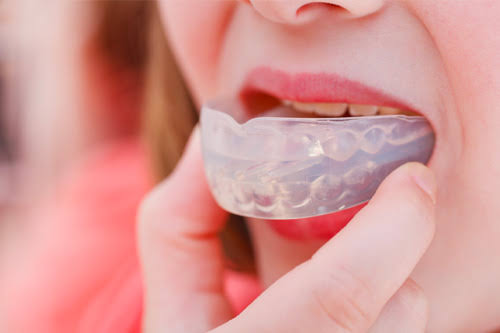
Myofascial pain dysfunction syndrome or Temporomandibular joint syndrome is the most common cause of fascial pain after tooth ache.
Myofascial pain dysfunction syndrome or Temporomandibular joint syndrome is the most common cause of fascial pain after tooth ache.

Aftercare Of Dental Implant Procedure: A Complete Guide
In this blog, we will cover everything you need to know about the aftercare of dental implants, from initial post-surgery instructions to long-term maintenance tips.
✨ Let’s dive in!✨
👉Why Is Aftercare Important?👈
💫Aftercare is crucial to the success of your dental implant procedure. Without proper care, you risk complications like infection, implant failure, or delayed healing.
💫Following the aftercare instructions given by your dentist ensures that your dental implants heal correctly, integrate into your bone, and remain functional for years to come.
🌟Here is a simple and helpful guide on Habits and Activities you should avoid after dental implantation.🌟
👉1. Avoid Touching or Disturbing the Surgical Area
✪ Your implant site needs time to heal. Touching the area with your fingers or tongue may introduce bacteria and cause irritation.
✪Let the clot and tissues settle naturally.
👉2. Don’t Spit Forcefully or Use a Straw
✪Suction created by spitting or drinking through a straw can dislodge the blood clot, leading to bleeding or delayed healing.
✪Instead, gently let liquids flow from your mouth naturally.
👉3. Stay Away From Smoking and Alcohol
✪Smoking reduces blood supply to the surgical area and slows healing.
✪ Alcohol may interfere with medications and irritate the wound. Avoid both for at least a few days — ideally until your dentist advises.
👉4. Avoid Hard, Sticky, or Very Hot Foods
✪Your mouth will be sensitive for the first few days. Hard or sticky foods can disturb the implant, while hot foods may increase bleeding or discomfort.
✪Choose soft, room-temperature foods like yogurt, khichdi, smoothies, soups, etc.
👉5. Don’t Rinse Vigorously
✪Rinsing too strongly can disturb the healing tissues.
✪Wait 24 hours before rinsing, and then use gentle warm saline water or any medicated mouthwash recommended by your dentist.
👉6. Avoid Heavy Workouts or Physical Strain
✪Intensive exercise increases blood pressure and may lead to more bleeding or swelling around the implant site.
✪Take it easy for the first 24–48 hours.
👉7. Do Not Skip Your Medications
✪Antibiotics and painkillers are given to help healing and prevent infection.
✪Missing doses can affect recovery. Follow your dentist’s instructions carefully.
👉8. Avoid Chewing on the Implant Side
✪Chewing directly on the surgical side puts unnecessary pressure on the implant.
✪Stick to the opposite side until the initial healing phase is complete.
👉9. Don’t Sleep on the Affected Side
✪Pressure on the surgical area can worsen swelling.
✪Sleep on the opposite side and keep your head slightly elevated.
👉10. Watch for Signs of Infection or Complications
✪Although complications are rare, it’s important to be aware of potential signs of infection or implant failure.
✪If you notice any of the following, contact your dentist immediately:
▼Severe pain that doesn’t improve with medication▼
✪Persistent swelling or bleeding
✪Fever or chills
✪A bad taste or odor in your mouth
✪Loose implant or crown
👉11. Use a Night Guard If Recommended
✪In some cases, your dentist may recommend wearing a night guard if you have a habit of grinding or clenching your teeth (bruxism).
✪This is especially important during the healing process, as grinding can put pressure on the implant and cause complications.
✪A night guard will help protect your dental implant and ensure it integrates correctly.
✿✿✿✿✿✿✿✿✿✿✿✿
👩⚕️A dental implant is an investment in your smile and long-term oral health.
💫 Following proper aftercare practices is essential for its success. By avoiding these common mistakes, you help ensure smooth healing and long-lasting results.
👉If you have any questions or experience unusual discomfort, always contact your dentist immediately.
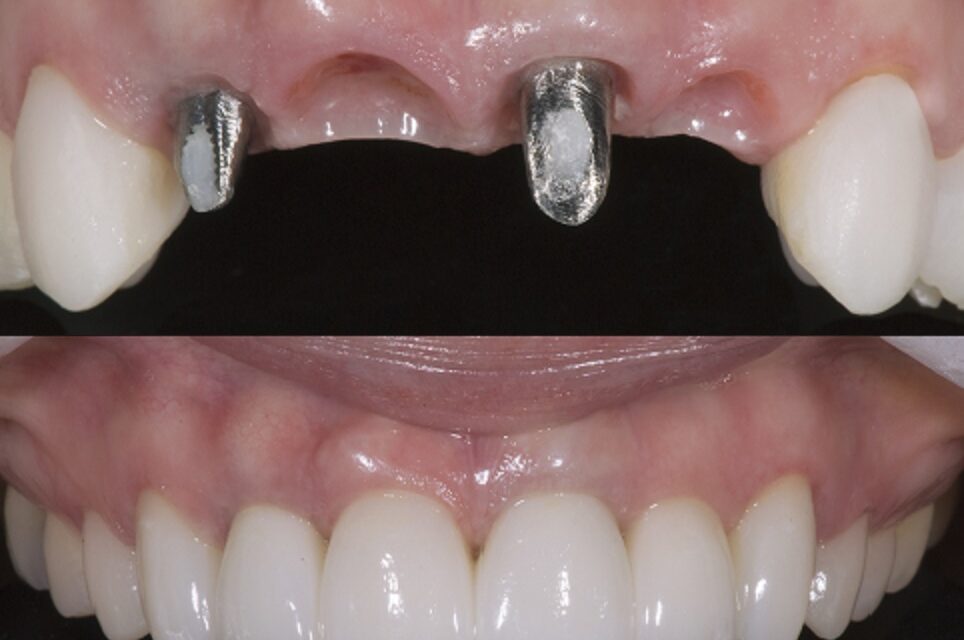
⭐Benefits of Implant Surgery in Dentistry⭐
✪Dental implant surgery is one of the most advanced and effective treatments in modern dentistry for replacing missing teeth.
✪It provides a permanent, natural-looking, and comfortable solution that restores both function and confidence.
✪If you’re looking for a long-term tooth replacement option, dental implants are considered the gold standard.
✿✿✿✿✿✿✿✿✿✿✿✿
🌟1. Natural Look and Function
✷ Dental implants are designed to mimic the look and feel of natural teeth.
✷ They restore your ability to chew, smile, and speak comfortably without worrying about dentures slipping or feeling unnatural.
🌟2. Prevents Bone Loss
✷ After tooth loss, the jawbone begins to shrink due to lack of stimulation.
✷ Dental implant acts as an artificial tooth root, preserving bone density and maintaining the natural shape of your face.
🌟3. Long-lasting and Reliable
✷ With proper care, dental implants can last a lifetime.
✷ Made from biocompatible materials like titanium, implants fuse securely with the jawbone, making them a strong and stable tooth replacement solution.
🌟4. Protects Adjacent Teeth
✷ Unlike traditional dental bridges, implants don’t rely on nearby teeth for support.
✷ This preserves the health and strength of your surrounding natural teeth.
🌟5. Improves : Confidence and
Comfort
✷ Complete smile can boost self-esteem and overall quality of life. Dental implants look natural, feel secure, and allow you to eat your favorite foods without discomfort or fear.
✪✪✪✪✪✪✪✪✪✪✪✪✪
💫Dental implant surgery not only restores missing teeth but also protects oral health and enhances facial appearance.
👉If you’re searching for the best dental implant treatment👩⚕️ to restore your smile and confidence, consult your dentist to find out if implants are right for you👈
Looking for Dental Implants ?👈
🦷Get a Perfect solution for your tooth problems. 🦷
✪ Losing a tooth🦷 can affect more than just your smile !!
✪It can impact your confidence, chewing ability, and even the shape of your face.
Thankfully👩⚕️Modern dentistry offers a long-lasting, natural-looking solution:
Dental implant prosthesis🦷
✿Types of Implant Prostheses✿
🦷 1. FIXED IMPLANT PROSTHESIS :These are permanently attached — the patient cannot remove them.
A. Single Tooth Implant Crown
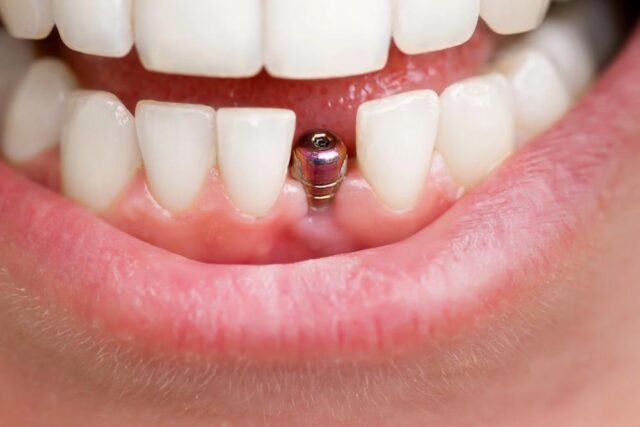
✪Replaces one missing tooth.
One implant + one crown.
Looks and functions like a natural tooth.
Used when adjacent teeth are intact.
—
B. Implant-Supported Fixed Partial Denture (Bridge)
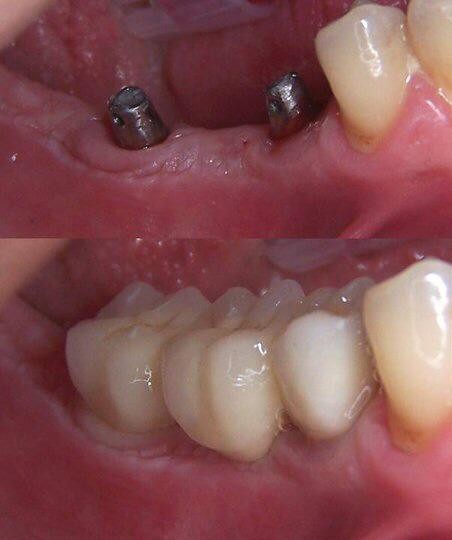
✪Replaces multiple missing teeth using two or more implants.
No natural tooth support needed.
Can be screw-retained or cement-retained.
🔹 Types of Fixed Bridges:
1. Screw-retained prosthesis – retrievable for maintenance.
2. Cement-retained prosthesis – better esthetics, less screw hole visibility.
3. Hybrid type – combination of both.
—
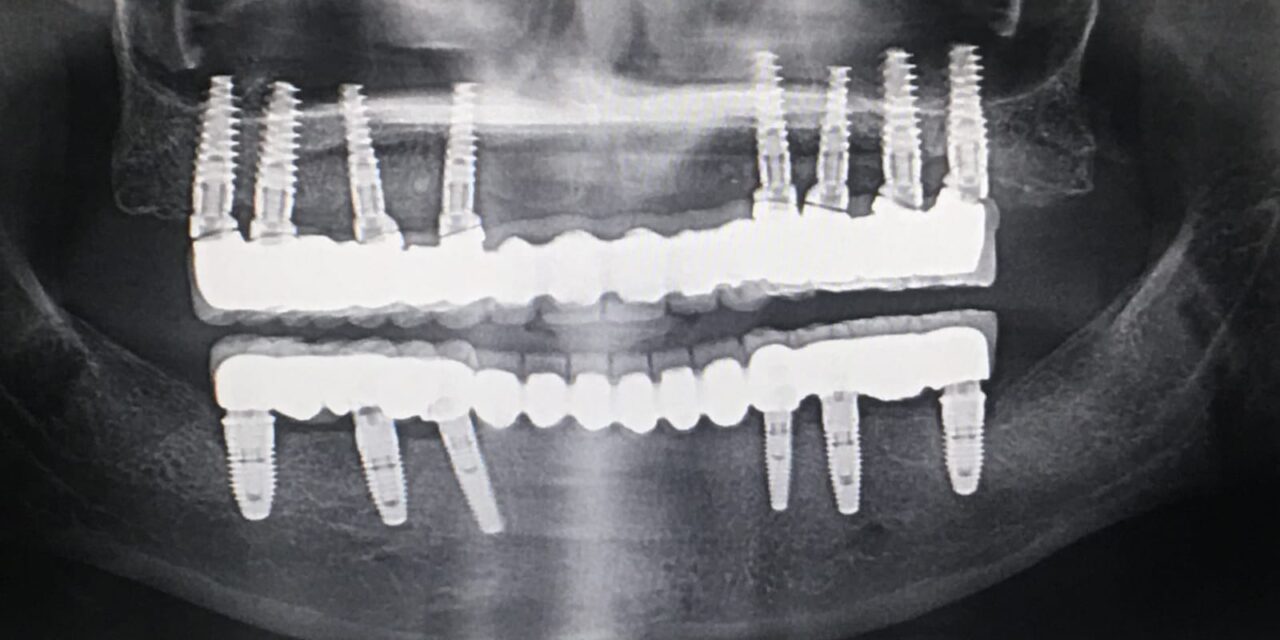
C. Full-Arch Fixed Prosthesis (Full-Arch Bridge / Hybrid Denture)
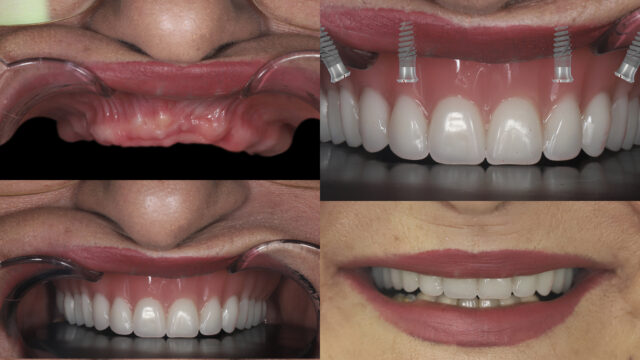
✪Entire jaw replaced with a fixed prosthesis on multiple implants (usually 4–8).
Common Designs:
All-on-4 / All-on-6 concept
Hybrid prosthesis (metal framework + acrylic/ceramic teeth)
Full zirconia or porcelain bridge
✅ Advantages:
Feels like natural teeth
Excellent stability and chewing efficiency
No need for removal
–✪✪✪✪✪✪✪-
🧩 2. REMOVABLE IMPLANT PROSTHESIS
(Patient can remove it for cleaning, but it’s more stable than a normal denture.)
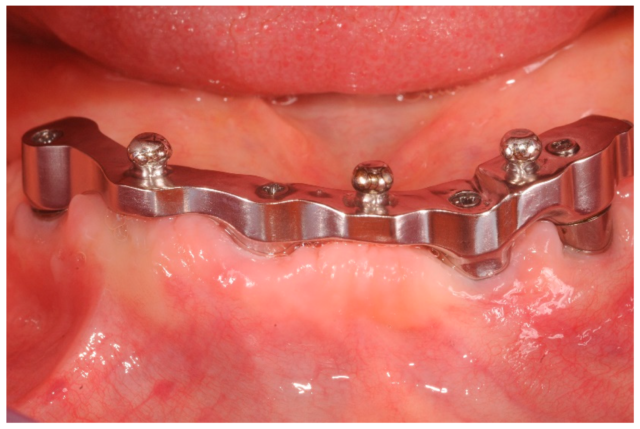
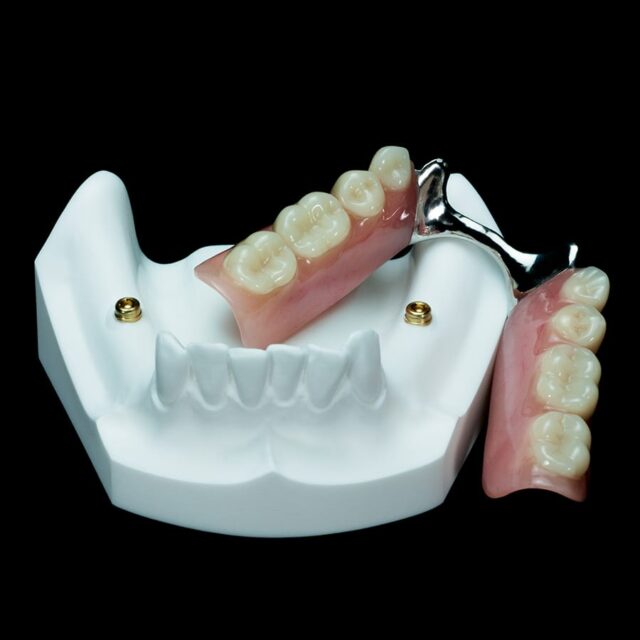
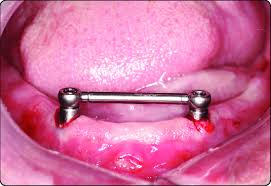
A. Implant-Retained Overdenture
Denture rests on gum but is retained by implants for better hold.
Commonly 2–4 implants in mandible or 4–6 in maxilla.
Denture can “snap” onto attachments.
🔹 Attachment Types:
1. Ball and socket
2. Locator attachment
3. Bar and Clip
✅ Advantages:
Improved retention and comfort compared to conventional dentures
Easier hygiene maintenance
Economical alternative to fixed prosthesis
—
B. Implant-Supported Overdenture
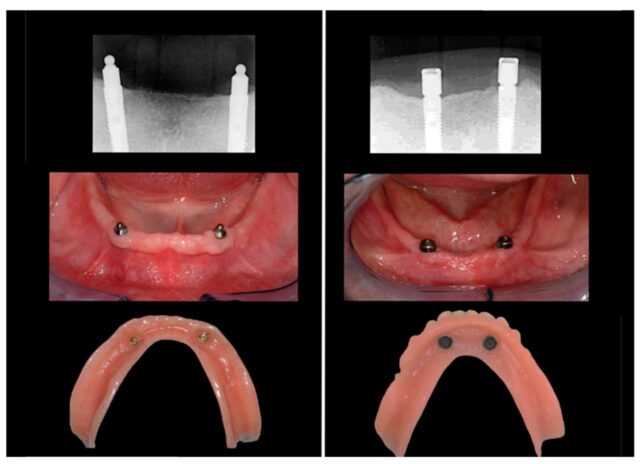
✪Denture is fully supported by implants, not by gums.
Needs more implants (usually 4–6) and rigid bar structure.
Feels more like a fixed prosthesis but still removable for cleaning.
Benefits of Removable Denture is that :
● Convineant
● Easy to maintain Hygiene around Teeth and Implant; When it is Removable Denture.
● Compared to Fix Denture ; Patient has to be very stringent about maintain Hygiene.
(✿✿✿✿✿✿✿✿✿✿✿✿✿✿✿)
👉 At Dr. Nidhi’s Family Dental Clinic
We specialize👩⚕️ in safe, aesthetic, and durable implant prostheses tailored to your needs.
Book your consultation today and take the first step toward a confident new smile!
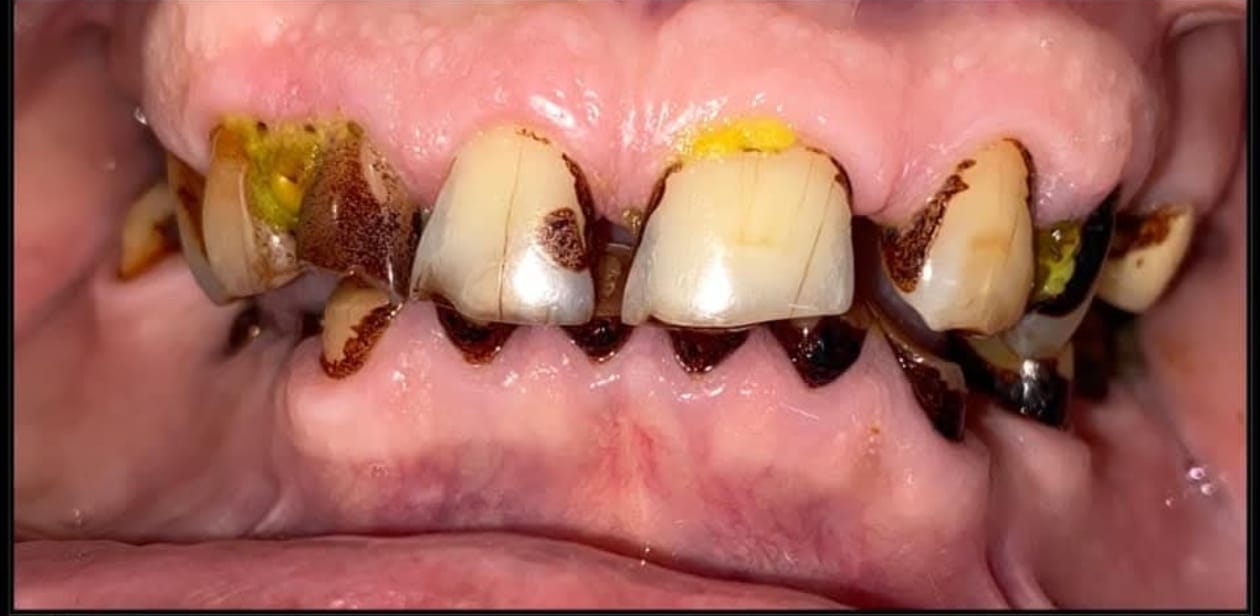
Betel nut or Supari also known as Areca nut, is one of the most commonly consumed psychoactive substances in South and Southeast Asia.
✪Traditionally chewed
alone or wrapped in a betel leaf (often with slaked lime and sometimes tobacco), it holds cultural, social, and religious significance in many communities.
✪However, from a dental and medical standpoint, betel nut chewing has serious consequences for oral and overall health.
[4:43 pm, 19/9/2025] Me: ✪Effects on Oral Health and Its Treatments✪
1) Staining/ Discoloration of Teeth
Chewing betel nut causes reddish-brown stains on teeth and gums that are difficult to remove with regular brushing. Over time, this leads to poor aesthetics and a neglected oral appearance.
✪ Treatment ✪
1) Professional Dental Cleaning
2) Tooth Whitening
3) Restorative /Cosmetic options for severe tooth discoloration
4) Prevention and Care
2) Loose gum/ Pyorrhea
Betel nut acts as an irritant to oral tissues. Regular use is strongly associated with gum inflammation, pocket formation, periodontal disease. The fibrous texture of the nut also causes mechanical trauma, leading to gum recession.
✪ Treatment ✪
1) Cleaning the Teeth
2) Medicines
3) Gum Surgery
4) Maintain proper Hygiene
3) Progressive wearing away of tooth enamel / Tooth Attrition
✪Sensitivity✪
●The hard, fibrous nature of the nut accelerates tooth wear, causing attrition and sensitivity.
● Treatments :
1) Toothpaste for Desensitizing
2) Fluoride Treatment : Thicken the Enamel of tooth to resist severe sensitivity.
3) Dental Sealents & Bonding : To Protect exposed Dentin and mend Enamel damage.
4) Sensitive Gum : Gum grafting, Scaling & Root planning
5) Severe Tooth Sensitivity : Endodontic treatments( RCT, Crown,Inlays/Onlays)
6) Oral Hygiene : Brush twice a day, Floss everyday, Dental Checkup
✪ The loss of vertical tooth height results in Ageing of face and wrinkles.
This demands restoration of lost tooth structure with a systematic treatment planning and execution of Full Mouth Rehabilitation
4) Reduce Mouth Opening
One of the most serious conditions linked to betel nut is oral submucous fibrosis, a precancerous condition where the oral tissues become stiff and inelastic. Patients experience burning sensation while eating spicy foods and difficulty opening the mouth.
✪ Treatment ✪
1) Mouth opening Exercises : Using fingers, wooden spatulas, tongue depressors, or mouth opening devices- Heister Mouth Gag).
Heat therapy and ultrasound physiotherapy to relax muscles.
2) Nutrition Suppliments
3) Surgical Management
4) Steroid gels or hyaluronidase injections in fibrotic conditions.
5) Oral Cancer
Betel nut chewing is classified as a Group 1 carcinogen (cancer-causing substance) by the International Agency for Research on Cancer (IARC).
●Leukoplakia is a white patch in the mouth that is considered a precancerous lesion because it carries a risk of developing into oral cancer.
●Erythroplakia bright red patches seen as higher risk of malignant transformation. Long-term use significantly increases the risk of oral squamous cell carcinoma, especially when combined with tobacco.
✪ Treatment✪
Diagnosis & Planning by Biopsy and Scans CT, MRI, PET-CT
1) Surgery as Main Treatment
●Radiotherapy
●Chemotherapy ●Reconstruction Flap Surgery
2) Supportive & Rehabilitation Care
●Speech therapy & physiotherapy
●Dental prosthesis or Implants
●Nutritional support & Habit counselling
3) Follow up for Lifelong monitoring advised.
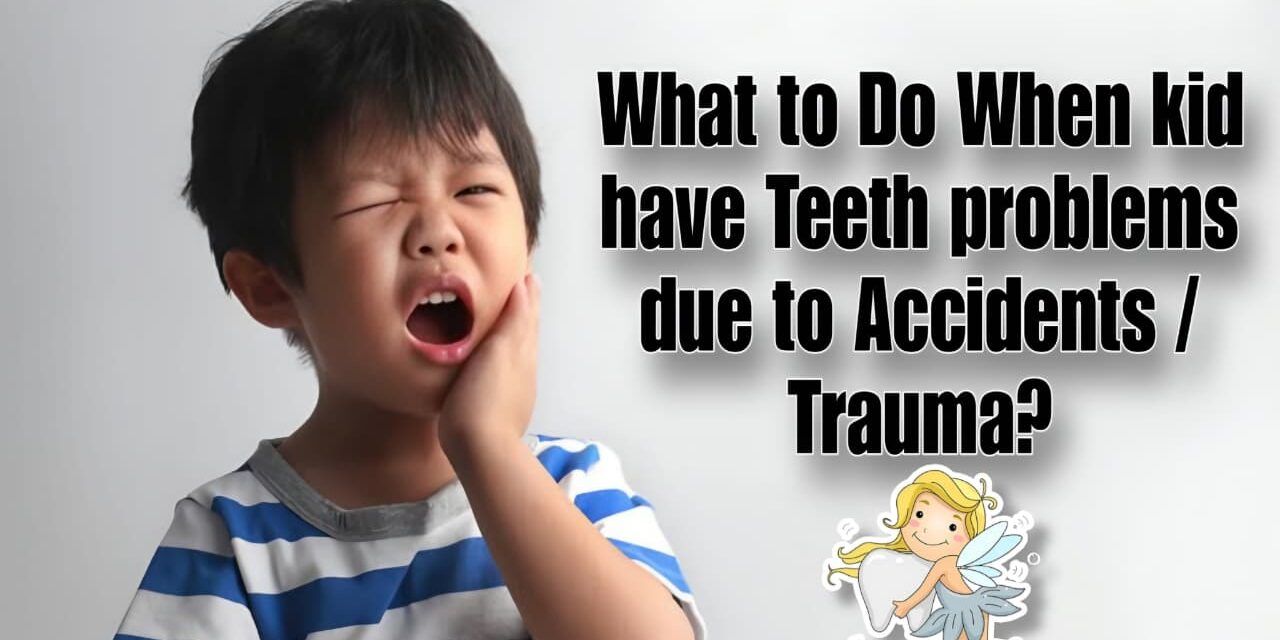
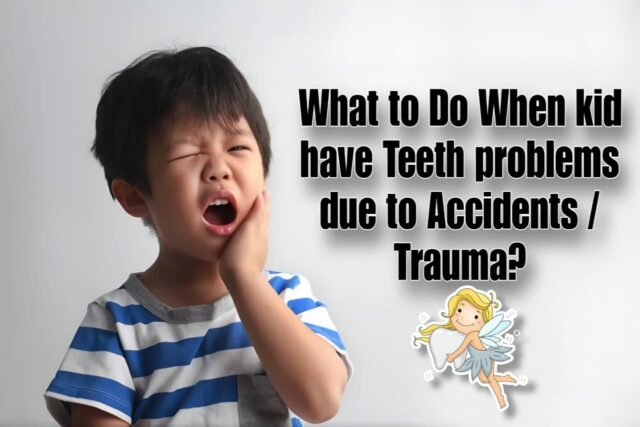
What to Do 🤔When Kids👶 Face 🦷Teeth Problems Due to Accidents or Trauma🦷
Childhood is full of play, sports, and exploration⛹️♂️🏃♀️—but sometimes, accidents happen. Falls, collisions, or sports-related injuries can lead to dental trauma, which may affect your child’s teeth and gums. As a parent, knowing how to respond in such situations can make all the difference in saving your child’s smile.
🦷Common Dental Injuries in Children🦷
When kids experience trauma, their teeth may suffer from:
(1) Chipped or broken teeth – often caused by falls or biting hard objects.
(2) Knocked-out teeth (avulsion) – more common in older children with permanent teeth.
(3) Loose or displaced teeth – when the tooth moves but doesn’t fall out completely.
(4) Cuts on lips, gums, or tongue – usually accompanied by bleeding.
What Parents Should Do Immediately
➡️ Stay calm and comfort your child
Panic can make the situation worse. Reassure your child and assess the injury carefully.
➡️Control bleeding
If there’s bleeding, apply gentle pressure with a clean gauze or cloth.
➡️For a knocked-out permanent tooth
Hold the tooth by the crown (not the root).
➡️Rinse gently with clean water if dirty—don’t scrub.
➡️For a baby tooth injury
Do not attempt to reinsert the tooth. Visit your pediatric dentist for evaluation.
➡️Broken or chipped tooth
Collect the broken piece (if available) and store it safely. It may help the dentist restore the tooth.
➡️Manage swelling and pain by apply a cold compress on the face to reduce swelling. Over-the-counter pain relief (suitable for children) can help until you reach the dentist.
🦷When to See a Dentist Immediately🦷
●If the tooth is knocked out or broken.
●If your child has severe pain or swelling.
●If there’s difficulty in closing the mouth or chewing.
●If the trauma causes uncontrolled bleeding.
🦷Preventing Dental Injuries🦷
✪Encourage children to wear mouthguards during sports.
Teach safe play habits.
✪Childproof your home to minimize fall risks
Perfect 👍
✅ Immediate Steps
📝 Management by Home Remedies 📝
1. Stay Calm and Comfort Your Child
Children may cry from shock and pain, reassure them gently.
2. Control Bleeding
Rinse the mouth gently with clean water.
Press a clean cloth or gauze on the bleeding area.
Ask the child to bite on it for 5–10 minutes if bleeding continues.
3. Relieve Pain & Swelling
Apply a cold pack or ice wrapped in a cloth on the cheek near the injured area.
Give age-appropriate paracetamol syrup if needed (avoid aspirin).
✅ Care for the Broken Tooth
➡️If tooth piece found⬅️
Place it in milk, clean water, or saline and take it to the dentist.
If tooth is knocked out completely (permanent tooth only):
Do not scrub the root.
Keep it in milk/saline and visit dentist immediately.
For milk teeth: usually the broken or lost piece is not re-attached, but the dentist must check for damage.
✅ Diet & Care at Home
✪Give soft foods like rice, khichdi, curd, soup.
✪Avoid hot, hard, or crunchy foods.
✪Keep the mouth clean by rinsing gently after meals.
➡️Final Thoughts⬅️
Dental trauma in children can be frightening, but quick action and professional dental care can save teeth and prevent long-term damage. Always keep your pediatric dentist’s number handy and don’t delay treatment—your child’s smile is worthy !!
Pediatric dentistry at Dr Nidhi’s Family Dental Care 👶🪥
Because tiny teeth need More Care!
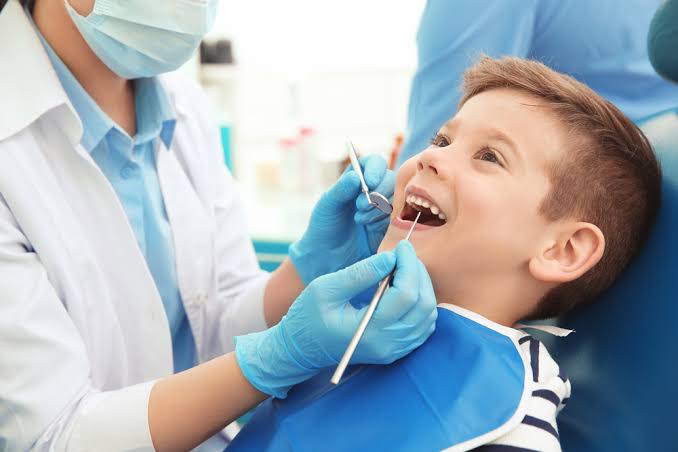
“A 5-year-old child patient reported to the clinic with a complaint of a fractured tooth. On clinical examination, the fractured tooth was found to be non-restorable. After proper evaluation and explanation to the parents, the treatment plan was decided. Tooth extraction was performed under all aseptic precautions. The procedure was completed successfully, and the patient was comfortable throughout. Post-extraction instructions were given to the parents.”
From teething to teenage smiles, our pediatric experts are here to make every dental visit fun, gentle and stress free.
✨ Preventive care
✨Tooth friendly habits
✨Gentle treatments
✨Happy, fearless smiles
Your child’s journey to lifelong dental health starts here!
📍Book an appointment today.
#pediatricdentistry #pedodontics #kidsspecial #pediatric #pedodontics #painfreeliving #stressrelief #milktooth #childdentistry #bestdentalclinic #ahmedabad #bestdentist #bestdentistahmedabad

The Surprising Link Between Oral Health and Hearing Loss
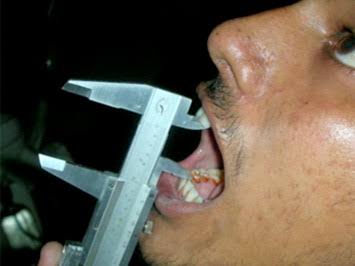
OSMF is a disease of the mouth in which the inside of the cheeks and mouth becomes tight, stiff, and difficult to move. It happens because the soft tissues inside the mouth start to harden (this is called fibrosis).
Common Causes:
• Chewing areca nut (supari) – very common in India and Southeast Asia
• Chewing tobacco
• Spicy foods (sometimes can irritate more)
• Nutritional deficiencies (like low iron or vitamin B)
• Genetic or immune problems (in rare cases)
WHAT PATIENTS COMPLAIN ABOUT
• Burning feeling in the mouth, especially when eating spicy food
• Mouth feels tight or hard to open
• Stiffness in the cheeks
• Pale or white patches inside the mouth
• Ulcers or pain sometimes
• Dry mouth
Surgery is Recommended in OSMF:
1. TWO FINGER OR LESS MOUTH OPENING
o Interincisal mouth opening <20 mm.
o Severe fibrous bands, especially in the buccal mucosa, soft palate, or retromolar area.
o Difficulty in eating, speaking, or oral hygiene maintenance.
2. Fibrous Band Formation with Severe Trismus:
3. Presence of Ulceration or Suspicion of Malignancy
4. Failure of Medical Treatment
5. Psychological or Functional Impairment
TYPES OF SURGERIES
o Fibrotic band release with or without
Buccal fat pad graft.
Skin or mucosal grafts.
Tongue flap or nasolabial flap reconstruction.
o Coronoidectomy if needed (to improve mouth opening).
o Laser-assisted fibrotomy (in some cases).
Surgery is Not Recommended in OSMF:
1. Early or Mild Cases (Grade I or II)
2. Ongoing Areca Nut or Tobacco Use
3. Uncontrolled Systemic Illness
4. Active Oral Infections or Ulcerations
5. Patient Non-Compliance or Poor Follow-up Potential
| OSMF Grade | Mouth Opening | Surgery Indicated? |
| Grade I | >35 mm | ❌ No |
| Grade II | 26–35 mm | ⚠️ Maybe (if progressive) |
| Grade III | 15–25 mm | ✅ Yes |
| Grade IV | <15 mm or with dysplasia | ✅ Yes |
Oral Submucous Fibrosis (OSMF) is a chronic, progressive condition affecting the oral cavity, often linked to the use of areca nut and tobacco. This blog explores the causes, symptoms, diagnosis, and treatment options for OSMF, highlighting its potentially malignant nature. It also discusses preventive strategies, lifestyle changes, and the importance of early detection to manage the condition effectively. Whether you’re a healthcare professional, student, or someone looking to understand more about this condition, this blog offers clear insights into one of the most serious oral health issues prevalent in South Asia and beyond.
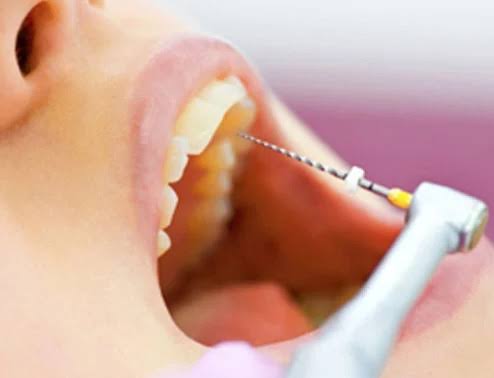
If you’ve ever been told you need a root canal treatment (RCT), you’re not alone. Millions of people undergo this common dental procedure every year to save natural teeth and relieve pain. But if you have hypertension (high blood pressure) or diabetes, you might have special concerns. In this blog, we’ll explain what a root canal is, the potential complications for people with these medical conditions, and what to do if something goes wrong.
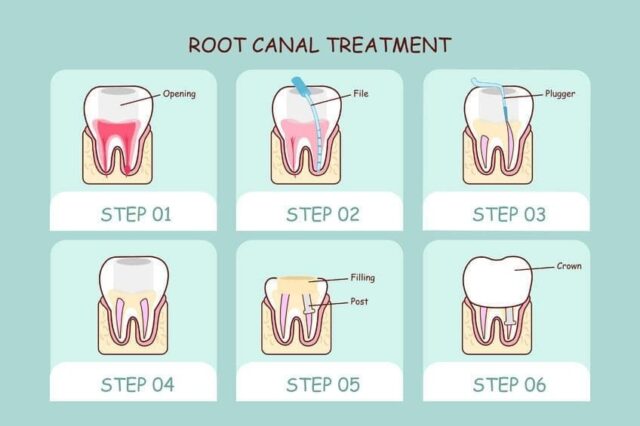
What Is Root Canal Treatment?
A root canal treatment is a dental procedure used to treat infection or inflammation inside a tooth. The soft tissue inside the tooth — called the pulp — can become infected due to deep decay , cracks , trauma or repeated dental procedures .
MYTHS VS FACTS
What to Do If a Root Canal Goes Wrong
Though most root canals are successful, problems can occasionally arise. Usually root canals take 10 days to heal . It is advised to follow strict protocol as intructed by the doctor of avoiding chewing pressure on that side for around 5-7 days .
But pain persisting even after 15 days of root canal is unusual and should be looked itno seriously . and there might be a chance of root canal failure .
Root canal treatment (RCT) is generally highly successful, with success rates around 85–95%. However, failures can occur due to several factors. Here are the common circumstances in which root canal treatment may fail:
Signs It Might Be Failing:
Next Steps:
| Aspect | RCT (Root Canal Treatment) | Re-RCT (Re-Root Canal Treatment) |
| 1. Definition | First-time cleaning and sealing of infected tooth pulp | Retreatment of a previously root-canaled tooth |
| 2. Purpose | To eliminate infection and save the tooth | To fix issues from failed or incomplete initial RCT |
| 3. Complexity | Generally straightforward | More complex due to prior treatment and possible damage |
| 4. Time & Visits | Often 1–2 appointments | May require more visits and longer treatment time |
| 5. Cost | Usually less expensive | Typically more costly due to difficulty and duration |
CONCLUSION
Root Canal Treatment (RCT) remains a highly effective procedure to save teeth affected by deep decay or infection. However, in some cases, initial treatment may not be successful due to factors like missed canals, complex anatomy, or reinfection. In such instances, Re-RCT (retreatment) offers a second chance to preserve the tooth and restore oral health.
Early diagnosis, skilled intervention, and proper follow-up care play crucial roles in the success of both RCT and Re-RCT. If you’re experiencing persistent discomfort in a previously treated tooth, don’t ignore it—timely retreatment may be the key to saving your natural smile.